OEC at Capacity Europe 2026: Subsea growth, chokepoints and the next generation in London
Date
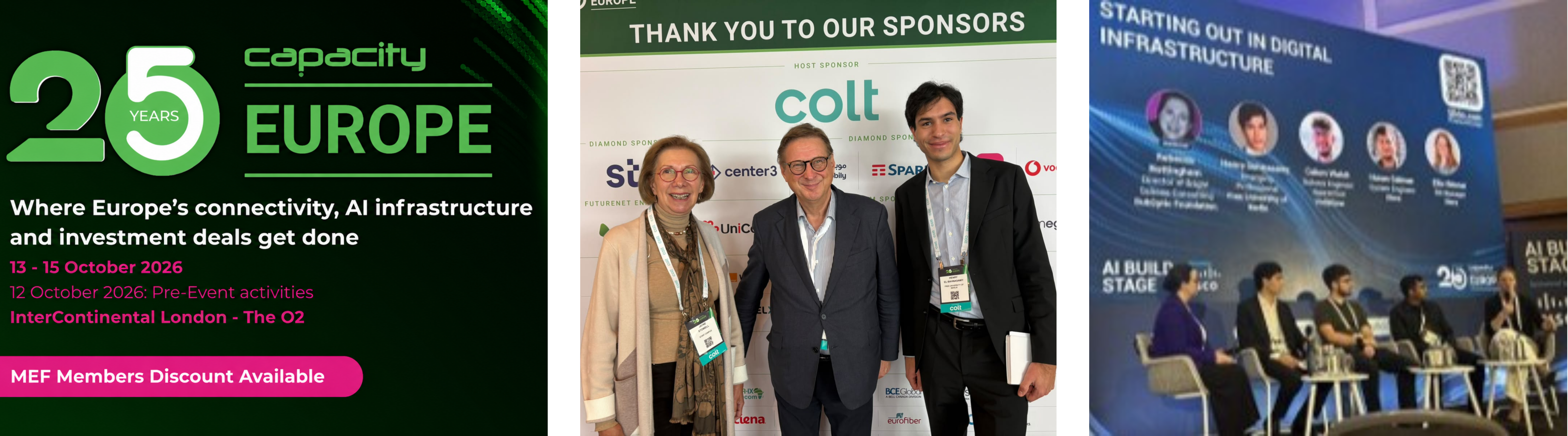
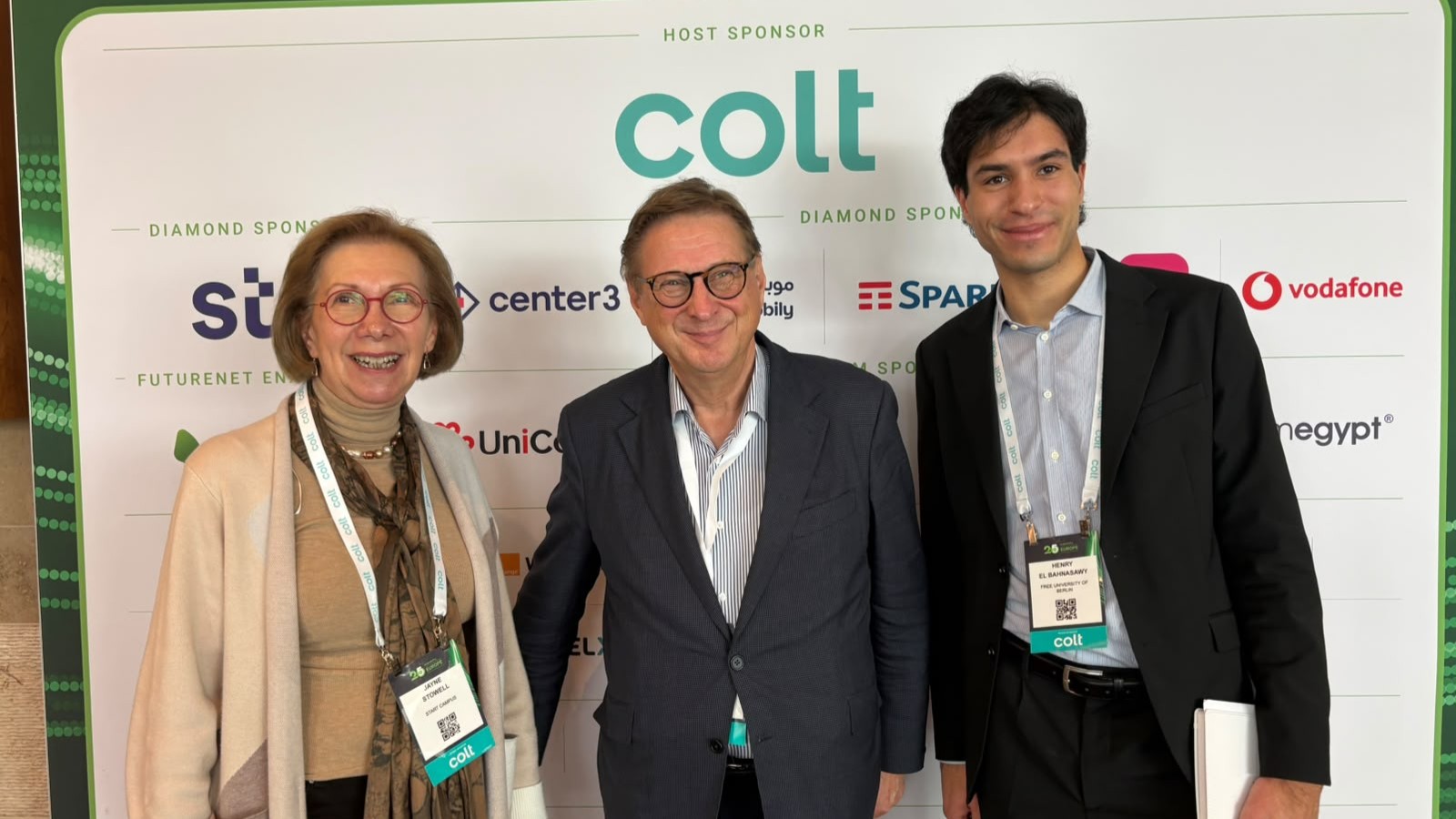
From 12 to 15 October 2026, Horst Brockmueller, Jayne Stowell and Henry el Bahnasawy represented OEC at Capacity Europe 2026, held at the InterContinental London – The O2. Celebrating its 25th edition this year, the event brought together cable owners, operators, suppliers and investors from across the telecom and digital infrastructure industry. For our team, it was a great opportunity to follow the latest market trends, meet partners and contribute to a panel on careers in the industry.
A fast-changing market
One of the clearest trends of this year’s edition was the rapid growth of neocloud providers. Driven by the rising demand for GPU computing, many of these companies are now building their own networks rather than relying only on IP transit. They are increasingly sourcing Layer 1 capacity, including dark fibres on terrestrial routes and wavelengths on submarine cable systems.
In his keynote on the end of neutral infrastructure, Michael Trabbia of Orange Wholesale illustrated how quickly demand is changing. Where customers once bought a handful of fibre pairs on a route, a single customer can now request 144 pairs or more, a shift largely driven by AI, cloud services and hyperscalers.
Subsea connectivity: boom, bottleneck or both?
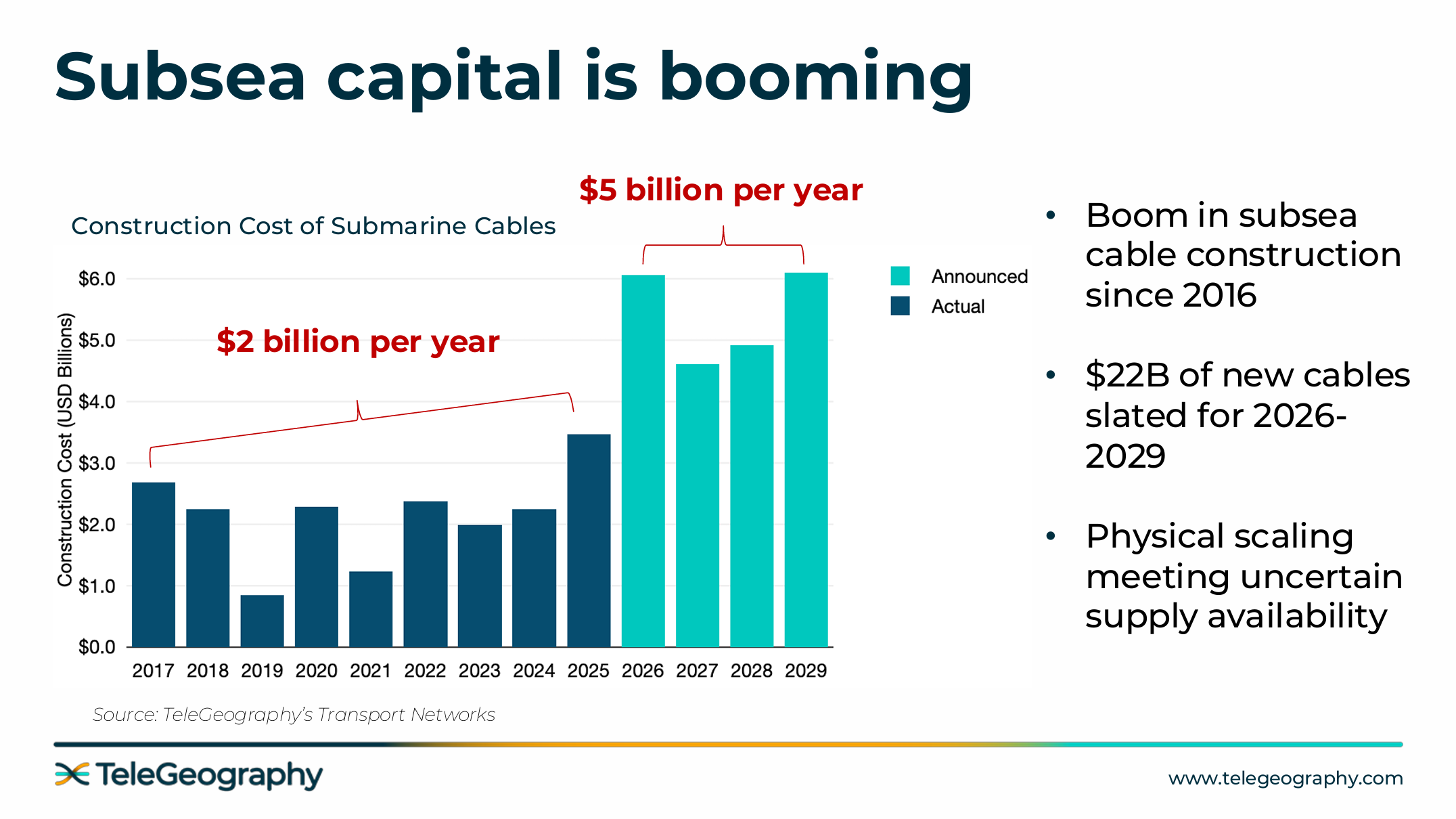
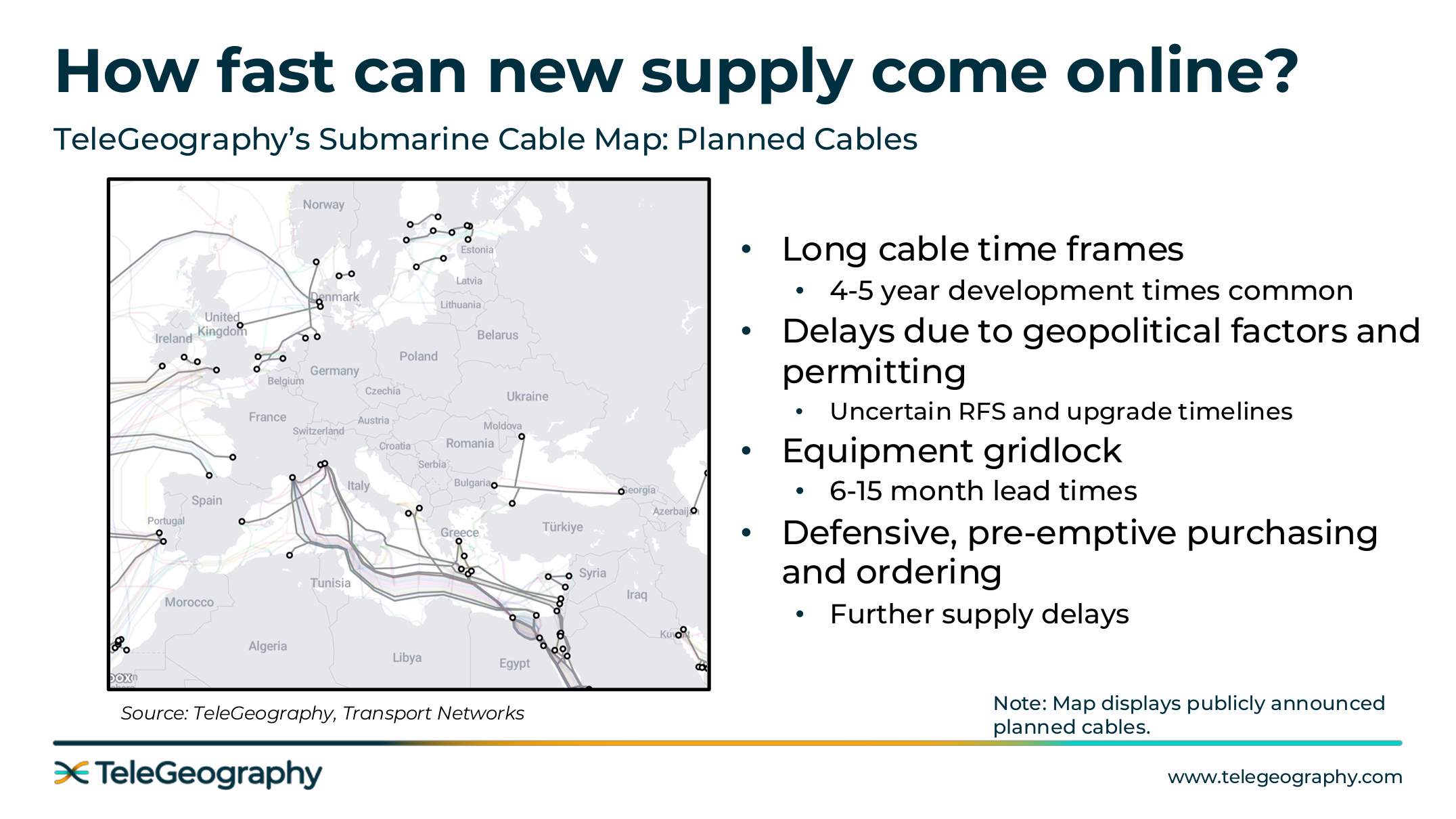
Stacey Parker from TeleGeography gave an update on global subsea connectivity. Investment in new cable systems is expected to rise sharply over the coming years, with hyperscalers behind a growing share of new projects. At the same time, geopolitical tensions, permitting delays and long equipment lead times are creating uncertainty around ready-for-service dates and upgrade timelines.
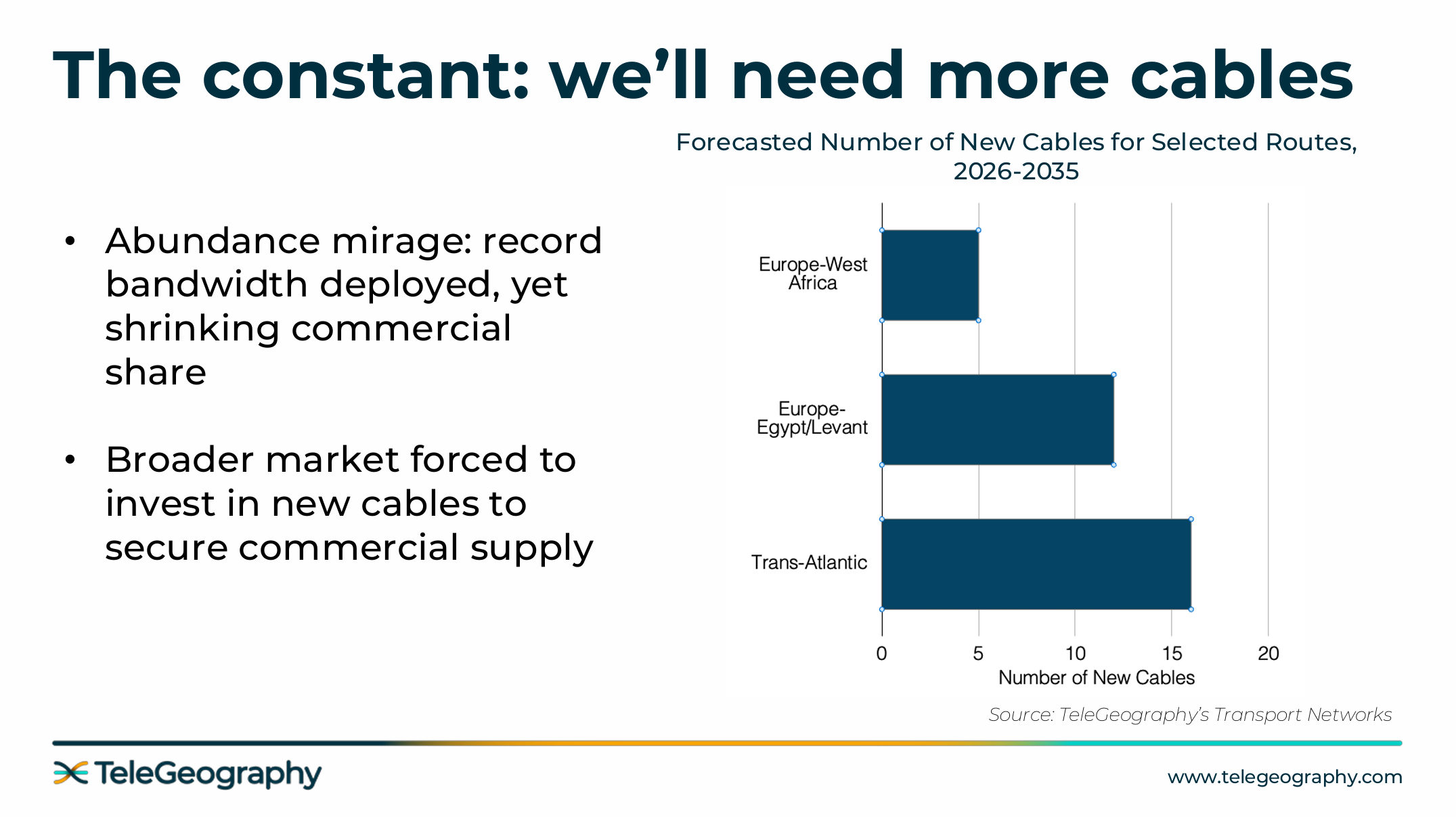
This was followed by a panel moderated by Martin Prins of the Dutch Subsea Cable Coalition on the chokepoints Europe can’t afford to lose. The discussion covered the Red Sea, the Strait of Hormuz and Europe’s strong dependency on Egypt for connectivity to Asia, as well as the need for greater route diversity, including alternative terrestrial routes.
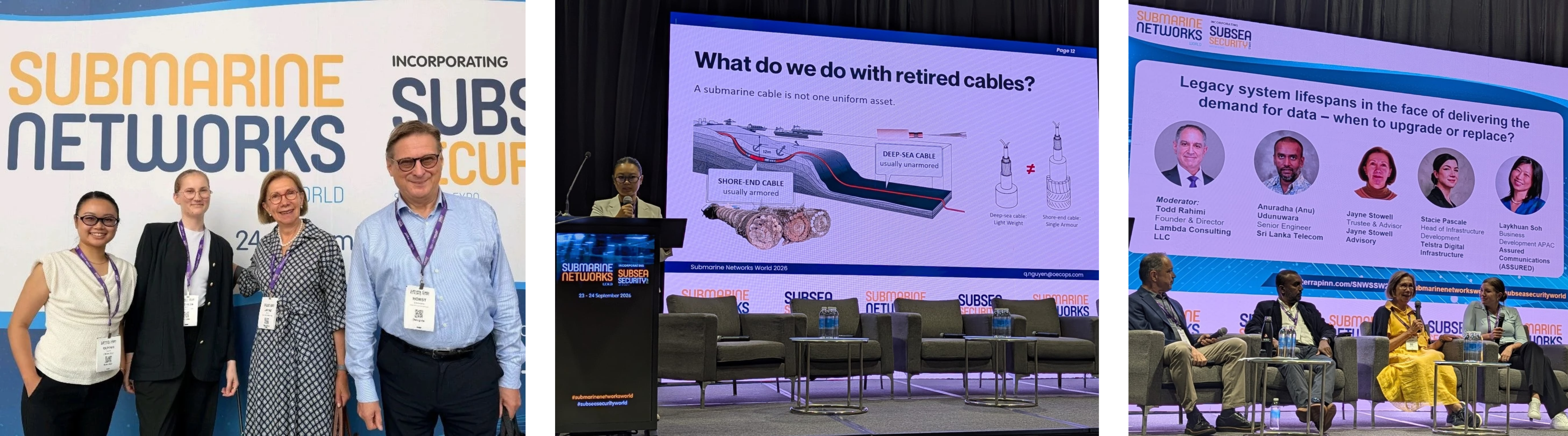
As more cables are built than ever before, the question of what happens to systems once they reach the end of their life is becoming increasingly relevant. It is a question that lies at the heart of OEC’s work in subsea cable recovery and recycling.
Starting out in digital infrastructure
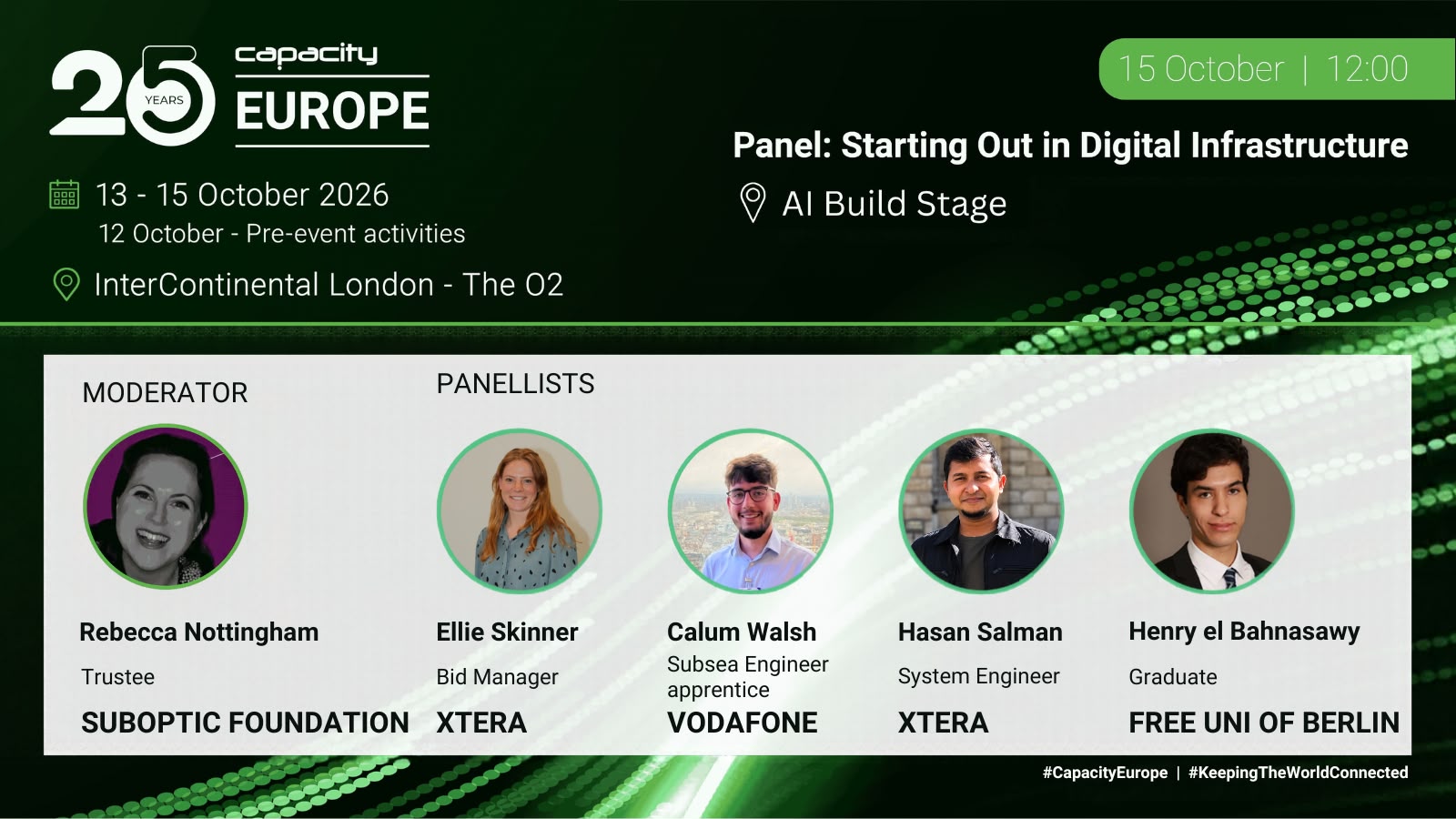
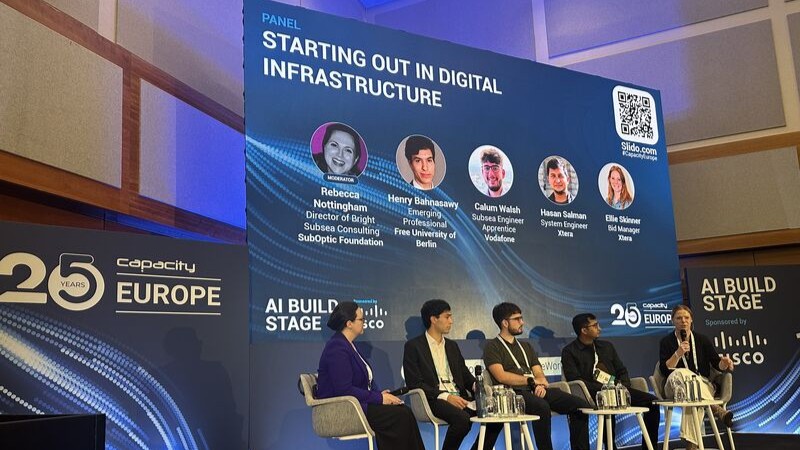
On the final day, Henry took part in the panel “Starting Out in Digital Infrastructure”, moderated by Rebecca Nottingham of the SubOptic Foundation. The session introduced students from the University of Greenwich to the industry and the wide range of careers it offers.
Most panellists had not followed a direct path into the industry. Many started out of curiosity, often from very different academic backgrounds, with one opportunity leading to the next. They agreed that the field is highly interdisciplinary: its challenges are not only technical but also economic, regulatory, environmental and geopolitical, so you don’t need to be an engineer to make a real contribution. With demand for connectivity, AI and cloud services continuing to grow, the panel saw plenty of opportunities ahead for the next generation. Their advice to students was to stay curious, be proactive, not feel limited by their degree, and to connect with professionals, attend events and explore scholarships, internships and educational programmes.
It was a real pleasure to connect with future talent and help raise awareness of the careers available in the subsea cable and wider digital infrastructure industry.
Thank you, London
A big thank you to the Capacity Europe team for organising such a busy and inspiring event, to the SubOptic Foundation for inviting Henry to join the panel, and to everyone who stopped to talk with us. We left London with new contacts and plenty of ideas, and look forward to the next edition!